Pest Control Service in Orlando delivers targeted interior eradication and exterior perimeter fortification engineered for Central Florida's extreme humidity and sandy soil ecology. Structural pest control service near me intercepts active biological vectors, including subterranean termites, German cockroaches, and attic-dwelling roof rats, using non-volatile thermal audits and precision baiting rather than indiscriminate indoor broadcast spraying.
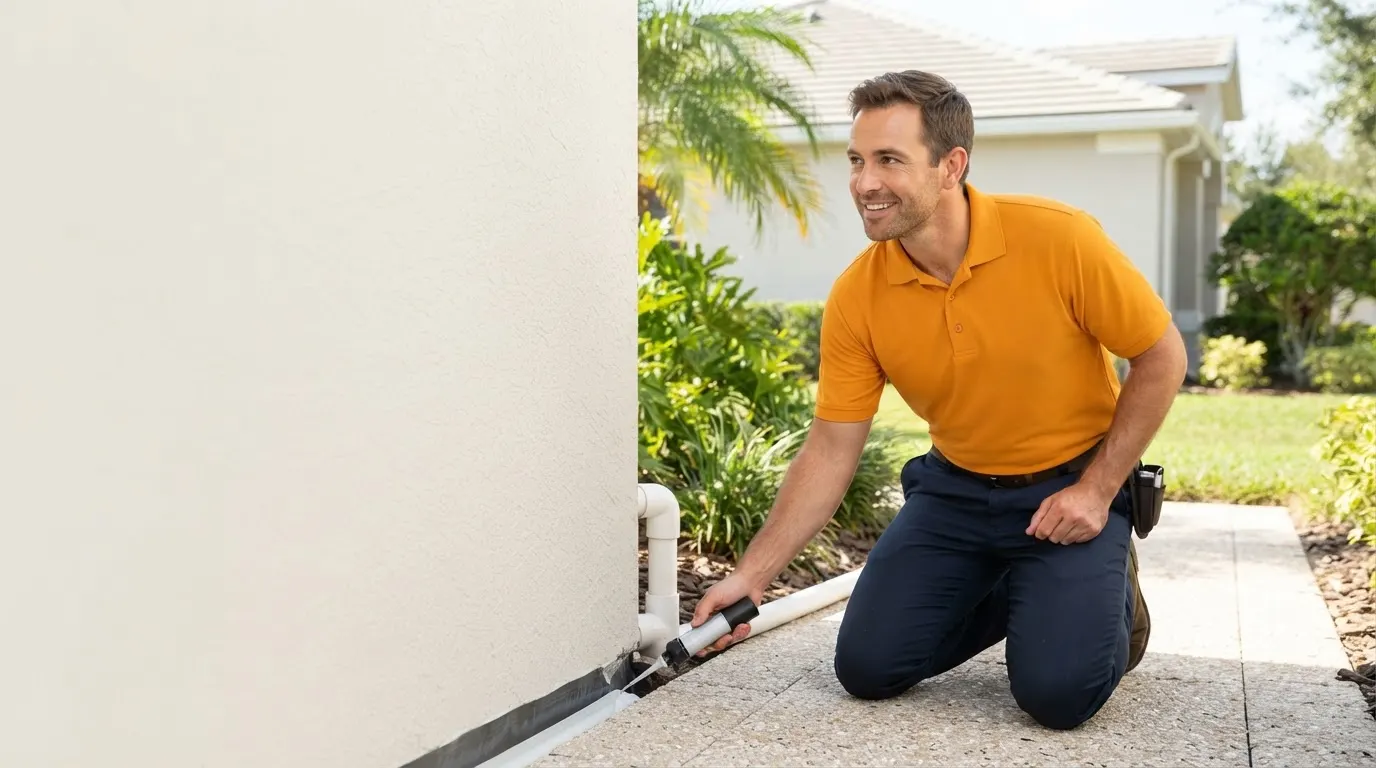
Pest Control Service in Orlando is a biological perimeter defense and structural eradication system designed to intercept sub-tropical insects, termites, and rodents before they establish colonies within residential or commercial building envelopes.
Every service reflects the same meticulous attention to detail, whether it's a single job or a larger pest control service project across Orlando.
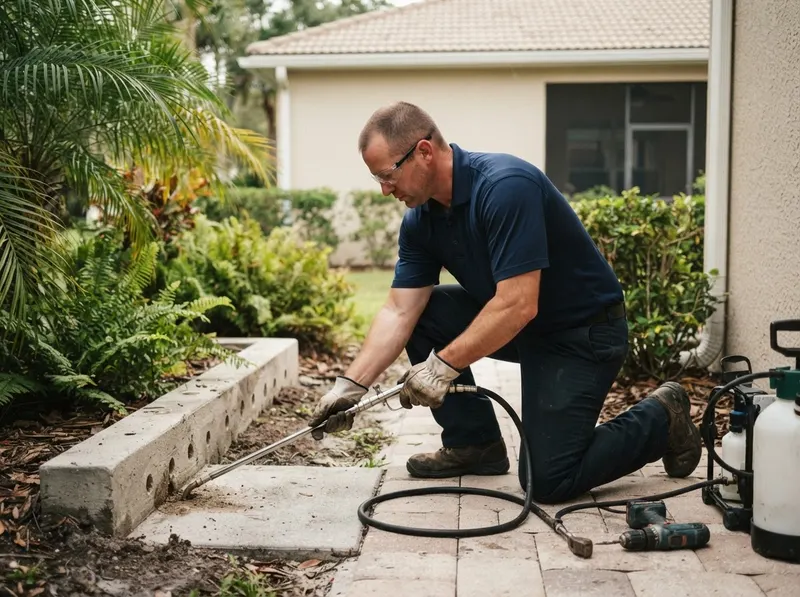
Subterranean termite treatment neutralizes Reticulitermes flavipes and invasive Coptotermes formosanus colonies established within sub-slab environments and exterior structural perimeters. Application protocols utilize high-pressure hydraulic injection equipment to deliver non-repellent liquid termiticide at a standard rate of 4 gallons per 10 linear feet into continuous soil trenches excavated along the foundation footer. Where concrete slabs, tiled lanais, or brick paver walkways abut external walls, technicians drill 0.5-inch access holes spaced 12 inches apart through the slab to saturate subterranean aggregation zones directly beneath the concrete pad. This material binds to soil particles, creating an undetectable lethal transfer zone that foraging worker termites track back to subterranean chambers, eliminating the reproductive queen and secondary reproductives within 60 to 90 days. Post-treatment protocols include installing exterior bait stations flush with turf margins every 10 to 15 linear feet around the structure. Technicians monitor these tamper-resistant cellulose cartridges quarterly using digital barcoding to verify that subterranean foraging activity remains zero near structural footings.
Get a quote →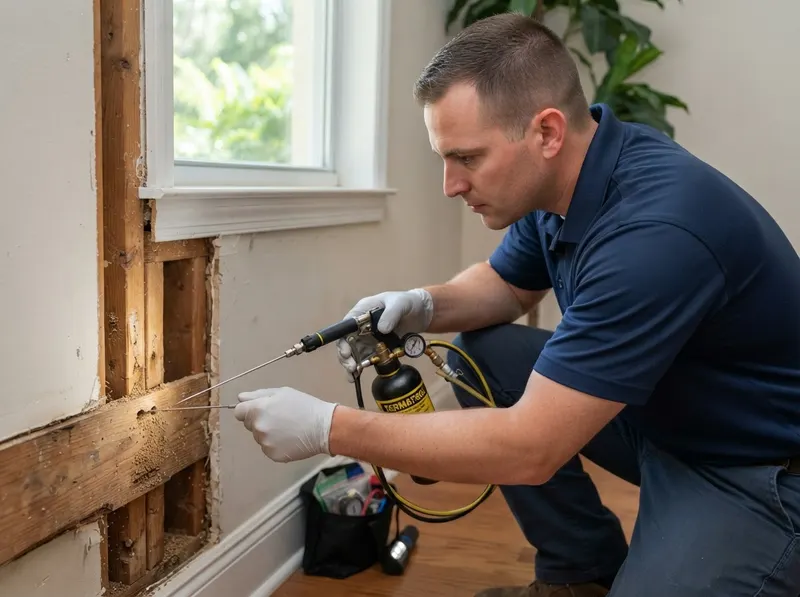
Drywood termite spot treatment directly neutralizes isolated colonies of Cryptotermes brevis harbored within structural framing lumber, hardwood flooring, and attic ceiling joists without tent fumigation. Acoustic detection devices, optical borescopes, and high-frequency microwave moisture meters pinpoint active kick-out holes and fecal pellet frass deposits embedded within structural wall assemblies. Once localized, technicians drill precise 0.125-inch injection ports into the timber galleries and inject concentrated disodium octaborate tetrahydrate or expandable non-repellent pyrazole foam under pressure. The foam fills complex feeding galleries, penetrating 0.25 to 0.75 inches into unsealed grain to eliminate reproductive alates, soldiers, and nymphs on contact while leaving a permanent residual crystalline salt barrier that prevents re-infestation. Treated exit holes are sealed with matching timber dowels and elastic structural sealant. Follow-up moisture measurements verify the absence of biological heat signatures, providing focused protection for older frame homes in College Park and historic bungalow properties.
Get a quote →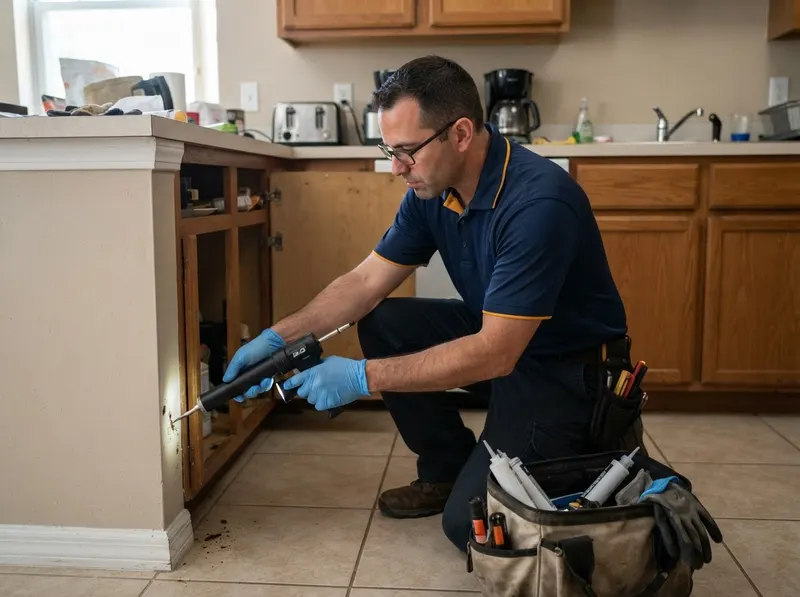
German cockroach eradication eliminates Blattella germanica colonies harbored inside warm kitchen appliances, electrical junction housings, and under-sink plumbing chases. Technicians deploy targeted bait matrix micro-droplets containing indoxacarb or dinotefuran paired with an insect growth regulator like pyriproxyfen, applied precisely to structural gaps, drawer slides, and cabinet hinges. This bait matrix stimulates feeding and horizontal transmission, killing exposed adults while transferring active ingredients to hidden nymphs via necrophagy and coprophagy. High-efficiency particulate air vacuum systems physically extract live harborages, oothecae egg casings, and frass accumulations behind refrigerators and dishwashers, lowering allergen loads and structural pheromone markers. Residual treatments rely on non-repellent silica aerogel dusts applied directly into interior wall voids, pipe chases, and utility conduits rather than baseboard wet sprays. This protocol avoids aerosolizing chemical compounds into central air conditioning ducts, fully breaking the 28-day developmental life cycle across multi-family and single-family structures.
Get a quote →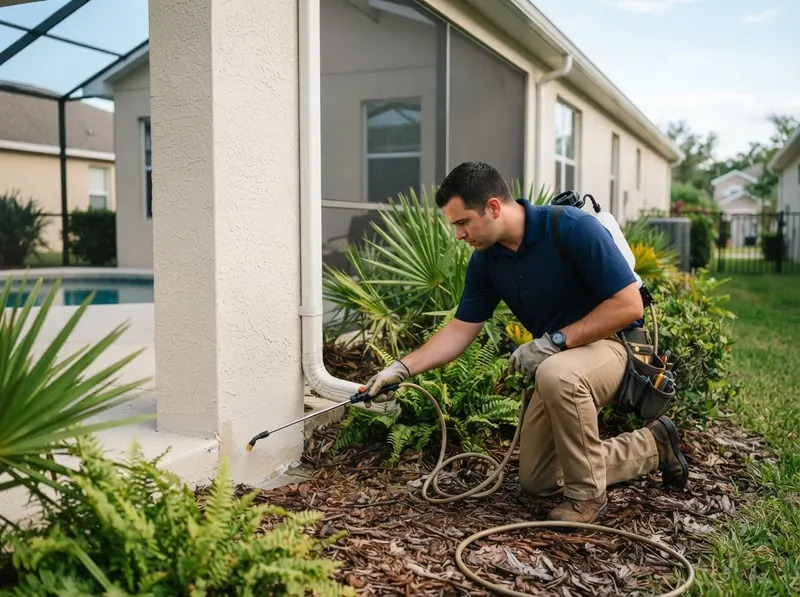
Perimeter pest defense constructs an external protective barrier around residential properties to halt the migration of peridomestic pests such as American cockroaches, ghost ants, smoky brown cockroaches, and earwigs. Technicians apply micro-encapsulated suspensions of water-resistant synthetic pyrethroids and non-repellent insecticides across a dedicated three-zone exterior envelope. The application treats three vertical feet of foundation wall, five horizontal feet of ground perimeter, and expansion joints, weep holes, crawlspace entry doors, and utility pipe penetrations. Window frames, door thresholds, eave returns, and soffit lines are treated with botanical micro-aerosols to prevent aerial insects from exploiting attic entry gaps. Exterior treatments utilize specialized hydrophobic chemical concentrates engineered to resist degradation caused by daily summer thunderstorms, high ultraviolet radiation, and acidic pine straw mulch beds. This exterior-focused protocol shields interior living areas from routine pesticide applications while neutralizing pests before they penetrate the structural building envelope.
Get a quote →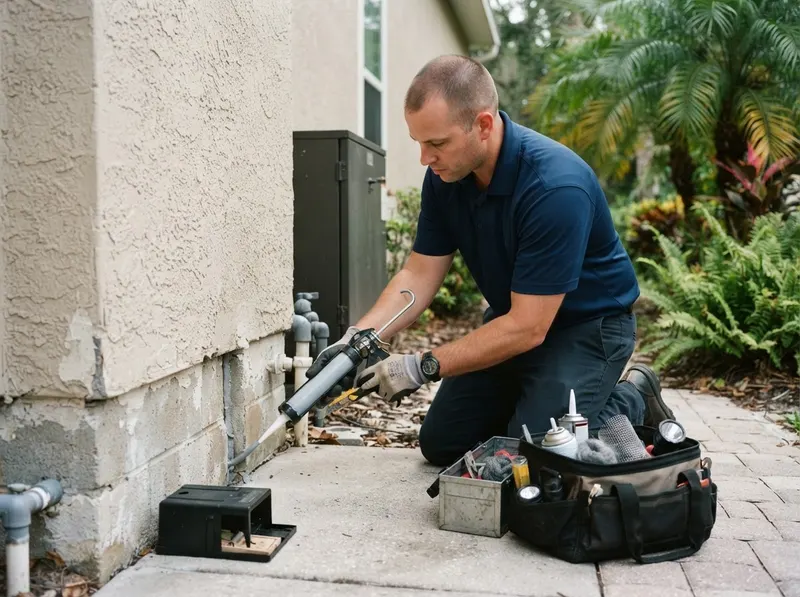
Rodent exclusion and trapping permanently resolves attic, wall, and subfloor intrusions of roof rats (Rattus rattus) and house mice (Mus musculus). Technicians execute a comprehensive building envelope inspection, identifying gnaw marks, rub grease lanes, and entry voids as small as 0.25 inches along roof returns, soffit vents, and plumbing stacks. Mechanical exclusion follows, using 18-gauge 0.25-inch galvanized steel hardware cloth, elastomeric structural caulking, and copper mesh to permanently seal structural ingress pathways. Inside attic and crawlspace spaces, snap traps and mechanical capture arrays are installed along high-frequency biological run pathways rather than unanchored rodenticides, preventing rodents from expiring and decaying within interior wall cavities. Once interior trapping verifies zero active biological signatures over 14 consecutive days, tamper-resistant exterior monitoring stations are anchored to concrete footers along exterior perimeter walls. These exterior stations suppress ambient rodent populations originating from adjacent retention ponds, drainage canals, and oak hammocks.
Get a quote →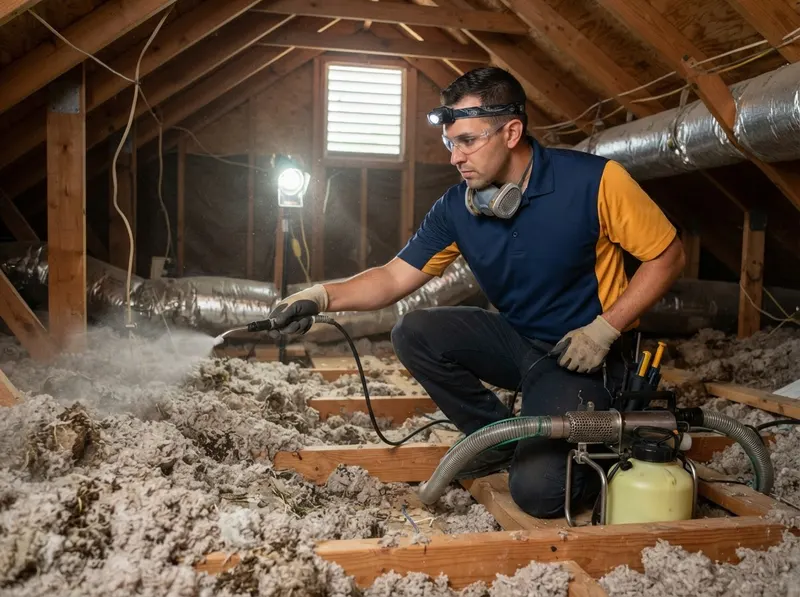
Attic insulation pest sanitization extracts contaminated, flattened, or urine-soaked attic insulation materials left behind by long-term rodent, bat, or wildlife infestations. Technicians utilize a commercial-grade 19-horsepower insulation vacuum system coupled with 150 feet of 4-inch heavy-duty ducting, safely routing damaged loose-fill fiberglass or blown cellulose to exterior containment filtration bags. The entire attic floor is swept clean of nesting materials, skeletal remains, and biohazardous fecal deposits. Technicians then mist the bare attic floor joists and sub-roof decking with a broad-spectrum, hospital-grade enzyme disinfectant and virucide using an ultra-low-volume cold fogger. This enzyme wash breaks down zoonotic pathogen matrices, roundworm ova, and pheromones that attract outside pests. Finally, technicians apply an electrostatically charged layer of dry boric-acid dust across floor joists and wall plates to establish an insecticidal barrier beneath newly blown-in borate-stabilized cellulose insulation, achieving an R-38 thermal rating.
Get a quote →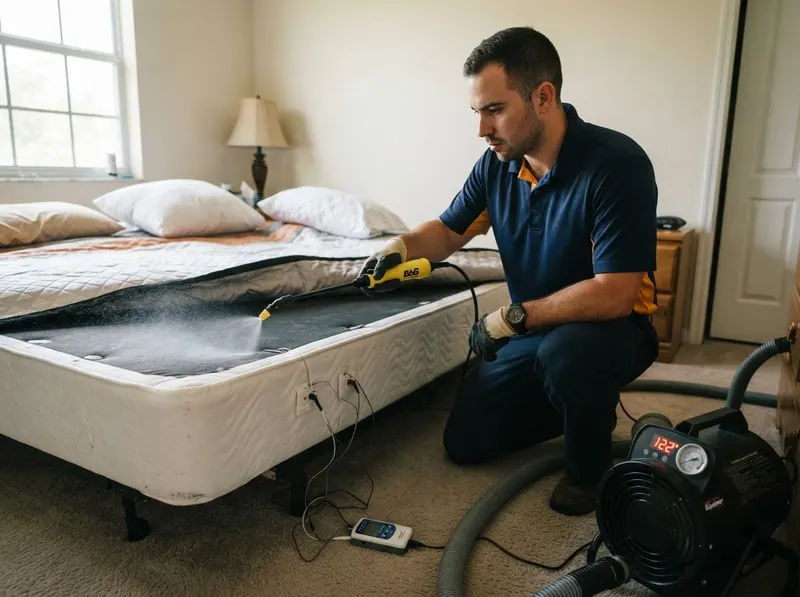
Bed bug remediation utilizes a targeted dual-treatment protocol that pairs focused thermal treatment with residual biological insecticides to eliminate all life stages of Cimex lectularius. High-output structural heating units elevate localized room temperatures to a sustained 125°F to 135°F for at least four continuous hours, penetrating mattress cores, box spring frames, wall voids, and baseboard gaps to eradicate heat-sensitive adults, nymphs, and embryonic eggs. Following thermal treatment, technicians apply a non-volatile liquid residual formulation containing chlorfenapyr and an amorphous silica dust inside baseboard trim, wall outlet junction boxes, and furniture frames. Amorphous silica dust dissolves the waxy protective epicuticle of migrating bed bugs, causing rapid desiccation and death without allowing resistance to develop. Mattress and box spring encasements featuring sealed micro-zippers are installed on bedding to trap surviving insects and prevent future harborages, restoring sanitary living conditions without requiring furniture disposal.
Get a quote →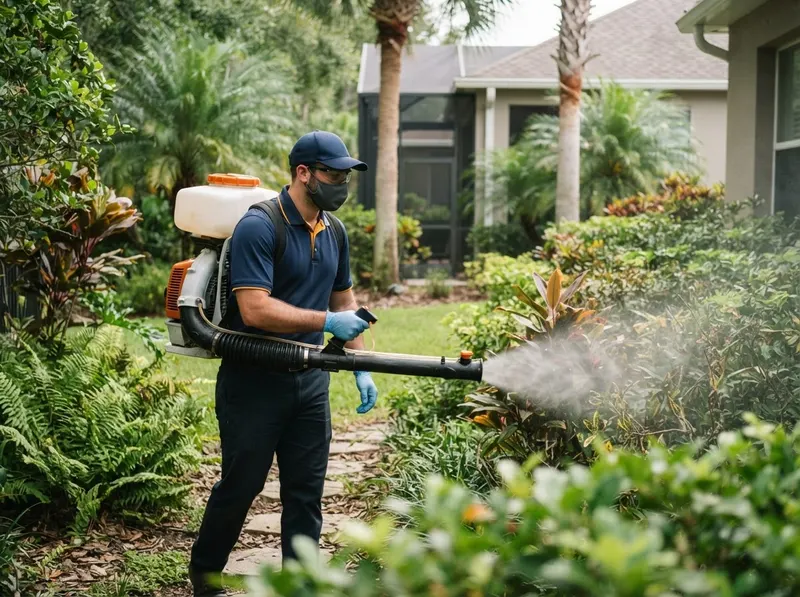
Mosquito and biting midge suppression neutralizes daytime harborages and larval nurseries of Aedes aegypti and Culex quinquefasciatus within residential landscapes. Backpack air-blast mist blowers disperse fine droplets of micro-encapsulated pyrethroids and botanical oils to the undersides of broadleaf plants, hedge canopies, dense ornamental palms, and shaded patio eaves where adult mosquitoes rest. For stagnant standing water, retention pond fringes, non-running landscape fountains, and blocked roof gutter channels, technicians place biological larvicide briquettes containing Bacillus thuringiensis israelensis (BTI) or insect growth regulators like methoprene. These biological controls kill mosquito larvae within 24 hours of hatching without affecting goldfish, koi, beneficial aquatic insects, or domestic pets. Monthly applications from March through November provide ongoing biological suppression, keeping outdoor living zones, pool enclosures, and lanai spaces comfortable during peak sub-tropical mosquito seasons across Central Florida.
Get a quote →You get a firm, itemized quote for your pest control service before any work begins, no surprises, no pressure.
Careful prep, tidy work, and a full cleanup when we are done. We treat your home and belongings like our own.
The same trusted, background-checked team from the first call to the final check.
Selecting the correct structural pest defense protocol requires matching the targeted biological vector against property age, architectural construction style, and micro-climate moisture conditions. If a property exhibits active indoor infestations of German cockroaches or bed bugs, choose an intensive, double-phase eradication program. This approach applies dual-action insect growth regulators alongside targeted non-repellent matrix baits directly into nesting voids, plumbing chases, and cabinet hinge mortises.
The trade-off is higher initial procedural effort and a mandatory 14-day secondary follow-up to break the nymphal hatching cycle, whereas an exterior-only barrier fails to eliminate an established indoor breeding population. If a homeowner seeks preventive property fortification against occasional invaders such as American cockroaches, subterranean Argentine ants, and wolf spiders, choose an exterior-only perimeter barrier treatment. This protocol treats a three-foot vertical band on the exterior foundation, a five-foot horizontal ground perimeter, and critical weep screed junctions using hydrophobic, UV-resistant micro-capsules.
The trade-off is zero disruption to the interior living space and no airborne active ingredients inside HVAC systems, but it cannot purge insects already living inside walls, attic rafters, or drop-ceiling voids. If drywood or subterranean termites threaten framing timbers, choose a subterranean hydraulic soil barrier or localized borate structural injection. This treatment creates an undetectable, non-repellent transfer envelope throughout the foundational soil footprint.
The trade-off requires localized drilling of exterior slab patios or shallow soil trenching adjacent to perimeter footers, contrasting with non-invasive monitoring arrays that detect biological pressure before timber destruction occurs but do not provide an immediate physical barrier. If roof rats or field rodents compromise blown cellulose attic insulation, choose structural exclusion and attic sanitary restoration. 25-inch galvanized steel wire cloth while retrieving biological contaminants.
The trade-off involves physical carpentry repair and mechanical sealing costs versus continuous exterior bait station maintenance that controls surrounding rodent populations without resolving structural roofline vulnerabilities.
Every project gets a firm, written price after a free on-site visit. Ranges below for orientation.
Tell us about your pest control service job and we'll send a clear, written quote, usually the same day. Or just call and talk to a real Orlando pro.
(407) 751-3074
Orlando's unique topography creates acute biological pest pressures rarely encountered in cooler northern climates. Properties situated around Lake Eola Park, Lake Ivanhoe, and the interconnected Conway Chain of Lakes feature high seasonal water tables, water-logged soils, and shallow root networks that force subterranean termites and invasive ants upward toward structural footers. Neighborhoods with dense canopies of mature live oaks and Spanish moss, including historic College Park, Audubon Park, and Delaney Park, provide elevated biological pathways for roof rats. These rodents run along overhead telephone lines and overhanging branches directly onto asphalt-shingle roof pitches, entering unsealed soffit vents. Further south in Doctor Phillips and Hunter's Creek, expansive concrete slab-on-grade construction combined with deep sandy soils allows Formosan subterranean termites to exploit 0.0625-inch expansion joints, plumbing penetrations, and AC condensation drains. Central Florida's prolonged wet monsoon season from June through September super-saturates sub-slab fill dirt, driving American cockroaches and subterranean ants through plumbing weep holes and brick veneer ties. Modern master-planned communities like Lake Nona and Baldwin Park present their own structural challenges: shared utility trenches, high-density residential lot layouts, and automated irrigation heads directed at foundation stucco break down non-stabilized surface chemical barriers within 30 days. Addressing these regional realities requires customized treatment schedules that account for high UV index ratings, daily afternoon precipitation, and local soil drainage dynamics.
Free estimates for Orlando & the surrounding area.
 BugVault Pest Control